
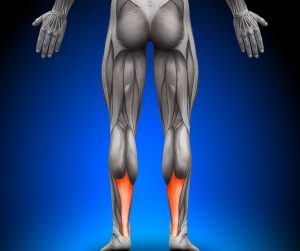
If you’re experiencing pain or discomfort in the back of your ankle or heel, you might be dealing with an issue related to your Achilles tendon. This strong, fibrous tissue connects the calf muscles to the heel bone and is crucial for activities like walking, running, and jumping. An Achilles tendon injury can significantly affect your mobility, so identifying the problem early is key.
At Kanturk Physiotherapy Clinic, we often see patients with Achilles-related issues, ranging from mild tendonitis to more severe injuries. This blog will help you identify whether your Achilles is the source of your pain and provide techniques to manage symptoms at home before you seek professional treatment.
Is Your Achilles Tendon the Problem? Signs, Symptoms, and Solutions

1. Pain or Discomfort in the Back of the Heel One of the most common symptoms of Achilles tendon problems is pain located in the back of your heel or lower calf. This pain is often worse in the morning or after physical activity. It can range from a dull ache to sharp pain, depending on the severity of the injury.
2. Swelling and Stiffness If your Achilles tendon is irritated or inflamed, you might notice swelling around the heel or ankle. Stiffness, particularly in the morning or after periods of rest, is also a key indicator of an Achilles issue. The stiffness typically eases as you warm up, but it can return with extended activity.
3. Limited Range of Motion A tight or injured Achilles tendon can reduce your ankle’s flexibility, making it difficult to move your foot up and down. You may struggle to stand on your tiptoes or experience discomfort when trying to flex your foot.
4. Tenderness to Touch The Achilles tendon may feel tender or sore to the touch. Pressing lightly on the tendon just above your heel might reveal specific points of tenderness, especially if you have tendonitis.
5. Hearing or Feeling a Pop If you hear or feel a “pop” in the back of your ankle, it could indicate a serious issue, such as a partial or complete Achilles tendon rupture. This requires immediate medical attention.
Common Causes of Achilles Tendon Pain
There are several factors that can contribute to Achilles tendon issues:
- Overuse: Activities like running, jumping, or sudden increases in activity can strain the tendon.
- Improper Footwear: Wearing shoes that don’t provide proper support can put additional stress on your Achilles.
- Tight Calf Muscles: If your calf muscles are tight, they can pull on the Achilles tendon, causing pain and inflammation.
- Flat Feet or High Arches: Both can lead to biomechanical issues that overload the Achilles tendon.
- Age and Activity Changes: As we age, the tendon becomes less flexible, making it more prone to injury, particularly when jumping into new or intense physical activities without proper preparation.
Techniques to Relieve Achilles Tendon Pain at Home
If you’re experiencing mild Achilles pain, you can try these home remedies before coming into the clinic:
1. Rest and Ice Give your tendon a break from activities that exacerbate the pain, such as running or jumping. Apply ice for 15-20 minutes several times a day to reduce inflammation and pain.
2. Calf Stretching Gentle stretching of the calf muscles can help alleviate the tension on your Achilles tendon. One effective stretch is the wall stretch:
- Stand facing a wall with one foot in front of the other.
- Bend your front knee while keeping your back leg straight and your heel on the ground.
- Lean forward gently to stretch your back calf muscle.
- Hold for 20-30 seconds and repeat on both legs.
3. Eccentric Heel Drops This exercise helps strengthen the Achilles tendon without putting too much strain on it:
- Stand on the edge of a step or platform with your heels hanging off the edge.
- Slowly lower your heels below the step, then return to the starting position.
- Do 2-3 sets of 10-15 repetitions daily, but stop if the pain worsens.
4. Proper Footwear Make sure you’re wearing shoes with good arch support and cushioning to relieve stress on your Achilles tendon. Avoid high heels and shoes that don’t provide proper stability for your foot.
5. Pain Relief Over-the-counter anti-inflammatory medications, like ibuprofen, can help manage pain and reduce inflammation. However, it’s important not to rely solely on medication without addressing the root cause of the problem.
When to Seek Professional Help
While at-home treatments can help manage mild symptoms, persistent or worsening pain requires a visit to Kanturk Physiotherapy Clinic. Our team of physiotherapists will conduct a thorough assessment to determine the severity of your injury and develop a tailored treatment plan that includes:
- Manual Therapy: Hands-on techniques to relieve tension and improve mobility in the tendon and surrounding tissues.
- Exercise Prescription: Specific strengthening and stretching exercises to target the Achilles and supporting muscles.
- Gait Analysis: Evaluating your walking or running mechanics to identify any issues that may be contributing to the problem.
- Orthotics: Custom orthotics may be recommended to improve foot alignment and reduce stress on the Achilles tendon.
If you’re dealing with Achilles tendon pain, don’t wait until it becomes a more serious issue. Early intervention can prevent further damage and help you get back to your normal activities faster. Whether you’re a runner, an athlete, or someone dealing with everyday discomfort, Kanturk Physiotherapy Clinic is here to help you on your road to recovery.
Book your appointment today and take the first step toward pain-free movement!

