
Are you constantly feeling the tightness in your hamstrings? Do you find it difficult to bend down and touch your toes without strain? If so, you’re not alone. Tight hamstrings are a common issue faced by many individuals, and understanding the causes behind this tightness is crucial for finding effective solutions. In this article, we will delve into the reasons why your hamstrings may be tight and explore the effects of this tightness on your body. Furthermore, we will discuss the benefits of regularly stretching your hamstrings, recommended exercises to loosen them, and ways to prevent injuries through proper stretching. So, let’s uncover the mysteries behind your tight hamstrings.
Key takeaways
- Sitting for long periods without stretching can cause tightness in the hamstrings
- Lack of proper warm-up before physical activities can contribute to tight hamstrings
- Overuse or excessive strain on the hamstrings during physical activities can lead to tightness
- Poor posture and misalignment of the pelvis can contribute to tight hamstrings
- Muscle imbalances, such as weak quadriceps and gluteal muscles, can result in tight hamstrings
Common Causes of Tight Hamstrings

Tight hamstrings can be caused by a variety of factors. One of the primary culprits is sitting for extended periods without stretching. When you sit for hours on end, your hamstrings remain in a shortened position, resulting in tightness. Additionally, a lack of proper warm-up before engaging in physical activities can also contribute to tight hamstrings. Without warming up the muscles properly, they may become fatigued and tight, leading to discomfort.
Overuse or excessive strain on the hamstrings during physical activities is another common cause of tightness. Activities that require repeated or intense use of the hamstrings, such as running or weightlifting, can result in muscle fatigue and tightness. Moreover, poor posture and misalignment of the pelvis can contribute to tight hamstrings. When your posture is out of alignment, it puts added stress on the hamstrings, causing them to tighten up.
Muscle imbalances play a significant role in tight hamstrings as well. Weak quadriceps and gluteal muscles can create imbalances that result in the hamstrings compensating for the lack of strength in these muscle groups. As a result, the hamstrings become overworked and tight.
Effects of Tight Hamstrings on the Body

The tightness in your hamstrings can have various effects on your body. Firstly, it can lead to decreased flexibility and range of motion in your legs. This lack of flexibility makes it challenging to perform simple movements like bending down or reaching your toes. Additionally, tight hamstrings can cause imbalances in other muscle groups, leading to poor posture and an increased risk of injury.
Tight hamstrings can also contribute to lower back pain and hip discomfort. When the hamstrings are tight, they can pull on the pelvis, causing strain on the lower back and hips. This strain can lead to chronic pain and discomfort if not addressed.
Furthermore, tight hamstrings can impact the alignment and stability of the pelvis, affecting overall body mechanics. When the hamstrings are tight, they can alter the position of the pelvis, resulting in misalignments that affect how you move and function. This can lead to issues such as pelvic tilt or rotation, which can have a chain reaction on the rest of the body.
Lastly, tight hamstrings can significantly impact athletic performance and limit movement efficiency. When your hamstrings are tight, they restrict your ability to generate power and range of motion, hindering your performance in activities like running, jumping, or even simple everyday movements. This tightness can make movements feel stiff and restricted, preventing you from reaching your full potential.
Benefits of Stretching Tight Hamstrings Regularly
Stretching your tight hamstrings regularly can bring about numerous benefits. Firstly, it increases flexibility and improves range of motion in your legs. By consistently stretching your hamstrings, you can gradually lengthen these muscles, allowing for greater movement and ease of motion. This improved flexibility can be particularly helpful for those engaging in sports or physical activities that require a broad range of motions.
Stretching also promotes better posture and alignment, reducing the risk of injuries. When your hamstrings are flexible, they can better support your body’s alignment, alleviating strain on other muscle groups and joints. This improved posture not only prevents injuries but also ensures that your body functions optimally.
Additionally, stretching helps release muscle tension and relaxes the body. When you stretch your hamstrings, you not only target the tightness in these muscles but also encourage relaxation throughout the entire body. This release of muscle tension can help reduce overall stress levels and promote a sense of calm and well-being.
Stretching the hamstrings can also alleviate lower back pain and promote proper hip mobility. As mentioned earlier, tight hamstrings can contribute to lower back strain. By stretching these muscles regularly, you can relieve the tension and pressure on the lower back, reducing discomfort. Furthermore, improved hip mobility can enhance your ability to perform various movements and activities with ease.
Lastly, improved flexibility in the hamstrings can enhance athletic performance and movement quality. When your hamstrings are flexible, you can move more efficiently and effectively, allowing you to perform at your best. Whether you’re engaging in sports or simply trying to move more fluidly in your daily life, flexible hamstrings can significantly improve your overall movement quality.
Importance of Hamstring Stretches for Overall Flexibility
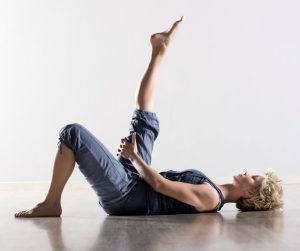
Hamstring stretches play a crucial role in improving overall flexibility, particularly in the lower body. By regularly stretching your hamstrings, you can enhance movement in both daily activities and exercise. Increased flexibility in the hamstrings allows you to perform tasks like bending down, squatting, or reaching for objects with greater ease and without strain.
Flexible hamstrings can also prevent muscle imbalances and promote balanced muscle development. When your hamstrings are flexible, they work in harmony with other muscle groups, such as the quadriceps and gluteal muscles. This balanced muscle development not only improves your overall movement but also helps prevent overuse injuries and chronic pain caused by imbalances.
Furthermore, hamstring stretches can improve posture and reduce strain on the lower back and hips. As mentioned earlier, tight hamstrings can pull on the pelvis and disrupt proper alignment. By regularly stretching the hamstrings, you can restore optimal alignment, reducing strain on the lower back and hips. This can alleviate pain and discomfort associated with poor posture.
Regular hamstring stretching is essential for maintaining mobility and preventing injuries. As we age, our muscles naturally tighten and lose flexibility. By incorporating hamstring stretches into your routine, you can counteract this natural loss of flexibility and ensure that you maintain mobility throughout your lifetime. Additionally, regular stretching helps prevent injuries by maintaining muscle elasticity, allowing your body to adapt to various movements and stresses.
The Role of Hamstring Muscles in Knee Stability
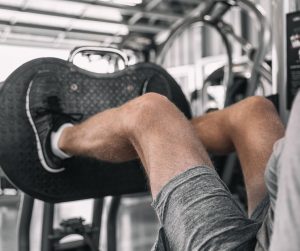
The hamstrings play a crucial role in stabilizing the knee joint during movement. These muscles are responsible for knee flexion, which is the bending of the knee. When the hamstrings are tight and inflexible, they can affect the alignment and stability of the knee, predisposing it to injuries.
Weak hamstrings can make the knee more susceptible to injuries and instability. When the hamstrings are not adequately strengthened, they are unable to provide the necessary support and stabilization for the knee joint. This can increase the risk of knee injuries such as sprains or tears.
Strengthening and stretching the hamstrings are essential for improving knee stability and preventing injuries. By incorporating exercises that target the hamstrings into your fitness routine, you can strengthen these muscles and improve their flexibility. This balanced approach helps ensure optimal knee biomechanics and reduces the risk of injuries.
Understanding the role of different muscle groups and their impact on hamstring tightness is crucial for creating an effective and holistic approach to address this issue. By identifying and addressing muscle imbalances and weaknesses, you can alleviate tightness in the hamstrings and improve overall muscle function.

